Leave Your Message
- Phone
- E-mail
- Whatsapp
- Whatsapp

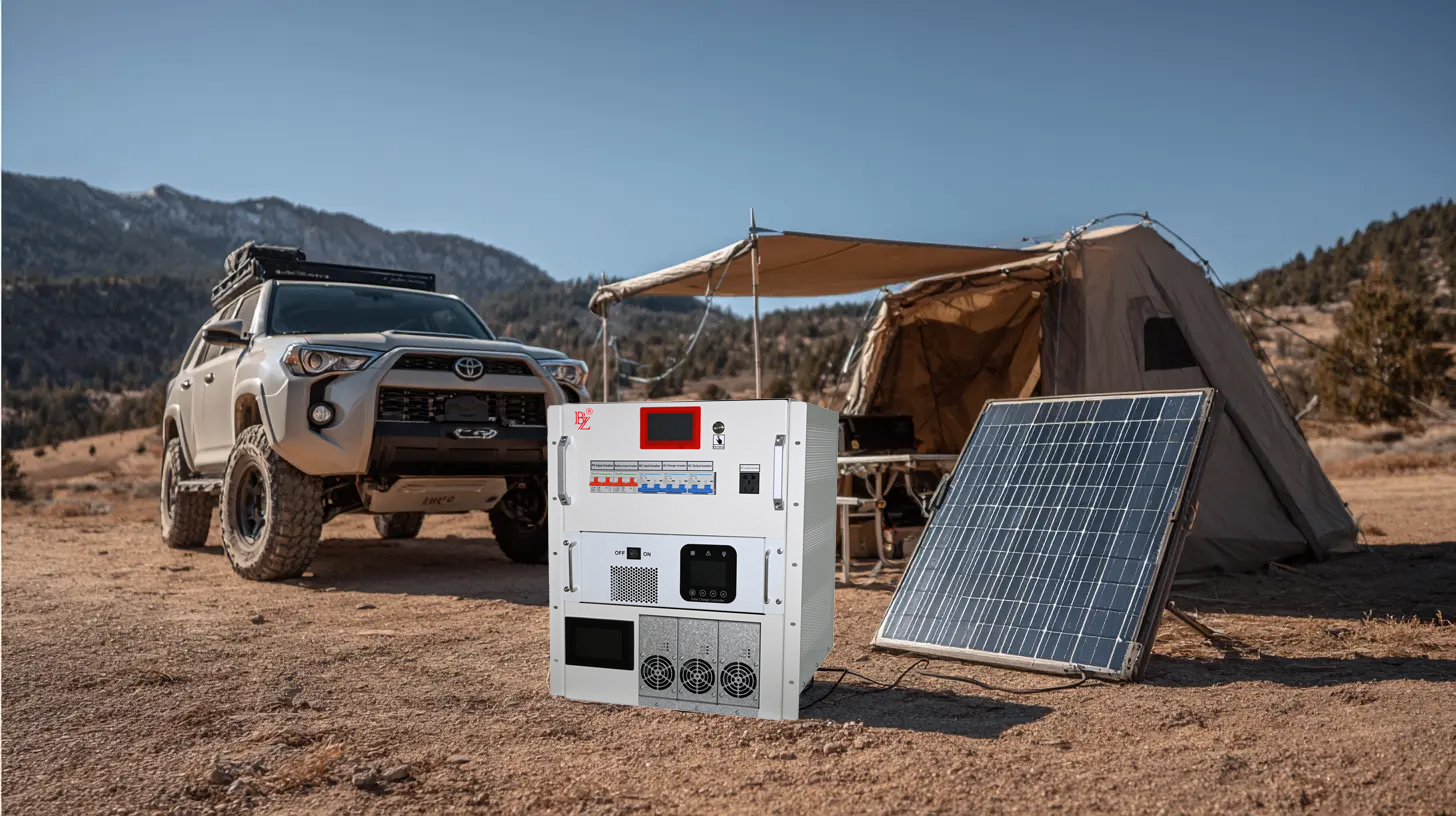
In today's really fast-moving world, you can't underestimate how important Power Inverters have become. They’re pretty much the backbone behind how we get power in our daily lives — taking the direct current (DC) from batteries or solar panels and turning it into the alternating current (AC) that keeps our homes and gadgets running. As industry expert John Smith from SolarTech Innovations puts it, “Getting a good grip on how Power Inverters work is key if you're serious about making the most of renewable energy.” That really highlights why picking the right inverter matters, whether you’re powering your house, an RV, or going off-grid.
Picking the right inverter isn’t just about grabbing any ol’ device — you’ve got to think about wattage, efficiency, and what kinds of devices you plan to run. With solar power and other renewable sources gaining popularity, having a reliable inverter isn’t just a nice-to-have anymore — it’s a must. So, in this guide, we’re gonna look at the top 10 Power Inverters out there, check out their features, performance, and see which ones are best suited for different needs. Our goal? To give you the lowdown so you can make a smart, informed choice and keep your energy game strong without any hiccups.
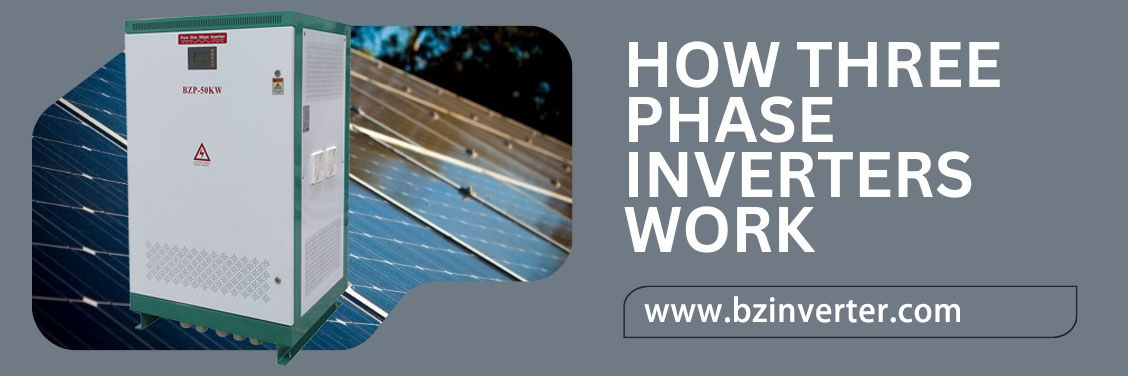
Power inverters play a crucial role in the conversion of direct current (DC) to alternating current (AC), making them essential for many applications ranging from renewable energy systems to powering electronic devices. According to a report by Grand View Research, the global power inverter market size was valued at USD 9.2 billion in 2020 and is expected to expand at a compound annual growth rate (CAGR) of 10.2% from 2021 to 2028, driven by the increased adoption of solar energy systems. This vast market underscores the importance of understanding how these devices operate and their applications, as they enable users to effectively harness and utilize energy from various sources.
In practical terms, inverters are critical in solar power systems where they convert the DC generated by solar panels into AC, which is compatible with the electrical grid and household appliances. The need for efficient power conversion is highlighted by the U.S. Department of Energy, which states that inverters can account for up to 15% of energy losses in a solar system. This makes it imperative for consumers and businesses to select the right inverter, tailored to their specific energy needs and system design. By understanding the various types of inverters—such as pure sine wave, modified sine wave, and hybrid models—users can make informed decisions that enhance energy efficiency and reliability in their energy applications.
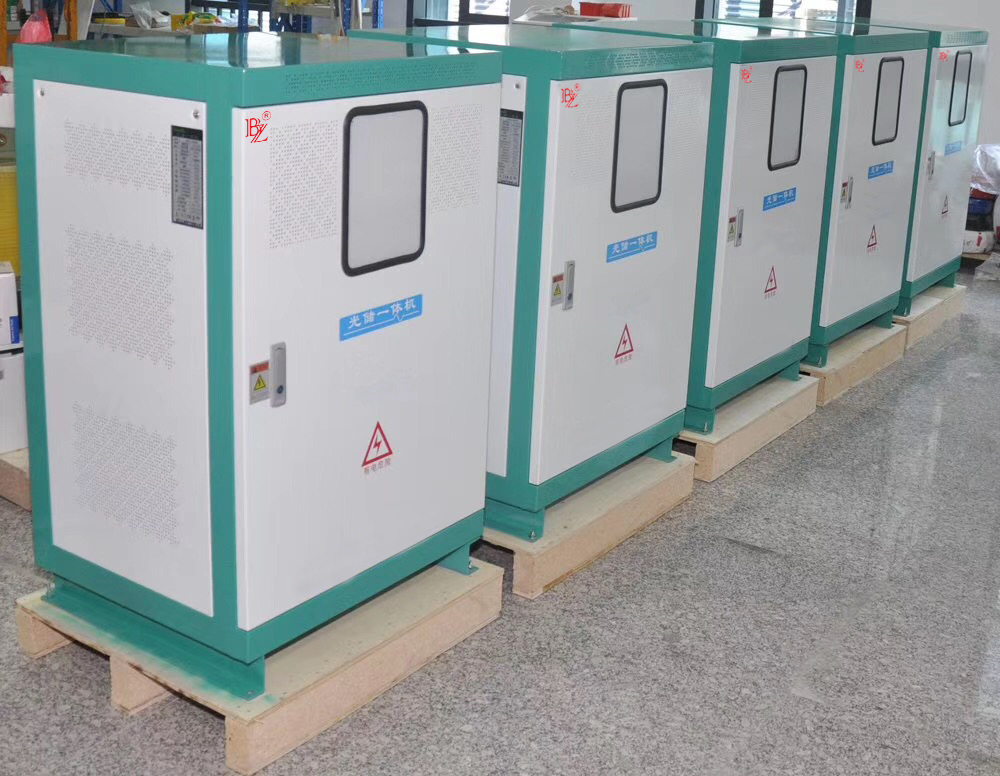
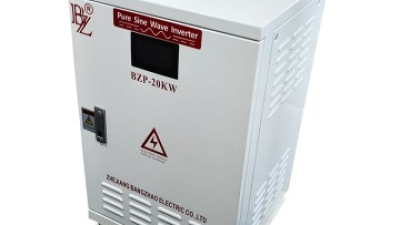
The advancement of power inverter technology has significantly impacted various sectors, especially in industrial applications and renewable energy systems. The 48VDC-380VAC 3 Phase 20KW Low Frequency Power Inverter stands out as a prime example of this evolution, providing a robust solution that caters to multiple energy requirements. With a rated output of 20kW and a pure sine wave output with a total harmonic distortion (THD) of less than or equal to 3%, it ensures the smooth operation of sensitive electronic equipment and machinery, critical for industries relying on precision and efficiency.
One of the remarkable features of this inverter is its ultra-low input voltage capability, operating effectively within a wide range of 42V to 100V. This flexibility allows it to be powered from various sources, making it suitable for diverse applications, from renewable energy systems like solar panels to industrial setups that demand reliable power. Furthermore, with an efficiency rating of 88% or higher, it minimizes energy losses, ensuring that more power is delivered to the end-use applications. Coupled with advanced anti-interference design and multiple protection functions, this inverter not only enhances operational reliability but also prolongs the lifespan of connected equipment, aligning with current industry standards and practices.
The relevance of such inverters is further highlighted in research reports which indicate a growing demand for efficient power conversion technologies. According to a 2022 market analysis by Global Industry Analysts, the global market for power inverters is projected to reach $18.9 billion by 2026, driven by the rise of renewable energy applications and the need for high-efficiency power management solutions in industrial operations. This trend underscores the importance of investing in advanced inverters like the 48VDC-380VAC model, which addresses both efficiency and versatility in power conversion.
: Power inverters convert direct current (DC) to alternating current (AC), which is essential for powering various electronic devices and systems.
Inverters are critical in solar power systems as they convert the DC generated by solar panels into AC, making it compatible with the electrical grid and household appliances.
The main types of power inverters include pure sine wave, modified sine wave, and hybrid models, each tailored to different energy needs and system designs.
Inverters can account for up to 15% of energy losses in a solar system, making it crucial to choose the right inverter to enhance energy efficiency and reliability.
Proper installation, ensuring adequate cooling, and avoiding humidity are key. Regular maintenance checks every six months, inspecting connections, and updating firmware can also enhance performance.
A quality inverter can last from 5 to 15 years, depending on usage and maintenance practices.
Advanced technologies, such as Zero Voltage Switching (ZVS), are enhancing the efficiency and power density of inverters, with applications in fast-charging solutions for devices.
Regular maintenance is essential as it can significantly reduce the risk of overheating and energy losses, which can account for up to 25% in solar power systems.
The exponential growth in the consumer electronics sector has increased the demand for robust inverter designs to efficiently convert battery-stored DC into usable AC.
Innovations in AC/DC converter control chips enable better management of conversion processes, supporting fast charging for electric vehicles and mobile devices, thus paving the way for a more efficient energy landscape.
Power inverters play a crucial role in converting direct current (DC) from sources like batteries into alternating current (AC) for use in household appliances and electronic devices. Understanding the key principles and technologies behind this conversion process is essential for selecting the right type of power inverter for specific applications, whether it be for residential use, marine applications, or for vehicles.
When choosing a power inverter, it's important to consider factors such as power requirements, inverter type, and operational efficiency. Additionally, proper installation and maintenance are vital for maximizing the performance and longevity of the inverter system. At Bangzhao Electric Co., Ltd., we have over ten years of experience providing high-quality power inverters, including pure sine wave inverters and bi-directional energy storage solutions, ensuring that customers find the best system to meet their energy needs.