Picking the right Solar Charge Controllercan actually feel pretty overwhelming at first. With so many options out there, it's super important to really understand what you need before diving in. I mean, as Mike Anderson from SolarTech Innovations puts it, "A Solar Charge Controller is key to getting the most out of your solar setup."
Your choice isn’t just about how well it works — it also affects how long it lasts. Different controllers suit different systems. For example, some are perfect if you’re running a small setup, while others are built for bigger, more complex systems. If you don’t know what you’re doing, it’s easy to make mistakes — like picking a controller that can’t handle your system’s power, which could damage your equipment.
Think about things like your battery type, how big your system is, and what your energy goals are. Sometimes, you don’t need all the fancy features — simpler can actually be better. It’s not just about having extra bells and whistles; it’s about managing your energy smartly. So, take your time, weigh your options, and pick the one that really fits. The right Solar Charge Controller can seriously boost your system’s efficiency and help protect your investment down the line.

Understanding Solar Charge Controllers: An Overview
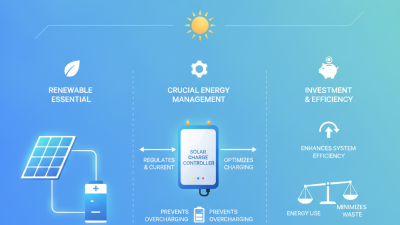
Solar charge controllers are vital components for any solar power system. They manage the voltage and current coming from the solar panels, ensuring batteries are charged correctly. There are two main types: PWM (Pulse Width Modulation) and MPPT (Maximum Power Point Tracking). Each has its strengths and weaknesses. PWM is simpler and often less expensive, while MPPT is more efficient but at a higher cost.
When selecting a solar charge controller, consider your specific needs. The size of your solar panel system matters. Calculate your total wattage and battery capacity for proper sizing. A controller that’s too small can fail to protect your batteries, leading to potential damage. Additionally, think about the type of batteries you use. Lead-acid and lithium batteries have different charging requirements.
A common oversight is the placement of the charge controller. It needs ventilation to prevent overheating. However, people often choose aesthetics over functionality, limiting airflow. Monitoring features can be incredibly useful but aren’t always essential. Evaluate whether you need real-time metrics or if basic monitoring suffices. Relying on too many features can complicate decisions. Balancing simplicity with innovation is crucial in finding the right controller.
Types of Solar Charge Controllers: PWM vs. MPPT
When choosing a solar charge controller, understanding the differences between PWM and MPPT is essential. PWM (Pulse Width Modulation) controllers are simpler and often more affordable. They work well for small systems. If you have a smaller solar panel setup, a PWM controller may suffice. It's efficient in low-light conditions but may limit energy storage.
In contrast, MPPT (Maximum Power Point Tracking) controllers are more advanced. They evaluate the solar panel's output and adjust the load accordingly. This allows for increased efficiency, especially in larger systems. If your setup requires maximizing energy harvest, MPPT is the better choice. It can convert excess voltage into amperage, ensuring you capture more energy.
Tips: Assess your power needs before making a choice. Consider the size of your solar installation. Think about future expansion too. A slightly more advanced controller can provide benefits in the long run. Reflect on your long-term energy goals. Ensure the controller matches your system's capacity.
Assessing Your Power Needs: Key Considerations
When considering a solar charge controller, understanding your power needs is vital. Solar charge controllers regulate the voltage and current from solar panels to batteries. Different types exist, with Solar Mppt Charge Controllers being particularly effective for maximizing energy efficiency. They can increase the energy harvest from solar panels by up to 30% compared to PWM controllers, making them worth considering.
It’s important to assess how much energy you need daily. Consider your appliances. For example, a small refrigerator typically requires around 100-300 watts. A few LED lights add another 10-50 watts. To estimate total daily consumption, multiply the wattage by hours used. This calculation helps define your battery requirements and informs your choice of controller. An imbalance here can lead to underperformance or inefficient energy use.
Another crucial factor is battery types and sizes. Lithium batteries, for instance, can often provide deeper discharge options. This affects how your charge controller operates. Always check for compatibility. Selecting a controller beyond its basic functions, like the Solar Mppt Charge Controller, allows for better integration and efficiency. In some cases, users find that their initial choices did not meet their actual needs, leading to adjustments later. Knowing your specific requirements can prevent these issues.
Solar Charge Controller Type Comparison
Compatibility: Ensuring Your System Matches the Controller
When choosing a solar charge controller, compatibility is key. Your system components must align to ensure optimal performance. Match the controller type with your solar panels and battery specifications. This step sounds simple but can often be overlooked. The wrong pairing can lead to inefficiencies. For instance, using a PWM charge controller with high voltage panels may not extract their full potential.
Consider your energy demands. A small system may suffice with a Pwm & Mppt Solar Charge Controller. However, larger setUPS require more advanced units for efficiency. Check the voltage ratings carefully. Your battery type, too, plays a crucial role. Some controllers work better with lithium, while others suit lead-acid batteries. Ignoring these details can lead to subpar performance. It’s easy to miss, but each component should work harmoniously together.
Don’t rush through compatibility checks. Take time to confirm details. Documentation from manufacturers can be helpful but not always comprehensive. User reviews and forums often highlight real-world experiences. Look out for common pitfalls other users faced. This information could save you time and money in the long run. Compatibility might seem tedious, but it’s the cornerstone of a reliable solar setup.
How to Choose the Right Solar Charge Controller for Your Needs?
| Parameter | Type A (PWM) | Type B (MPPT) | Recommended Use |
| Voltage Compatibility | 12V / 24V systems | 12V / 24V / 36V / 48V systems | Small to medium setups |
| Efficiency | 70-80% | 90-95% | High output systems |
| Cost | Lower initial cost | Higher initial cost | Long term savings |
| Complexity | Simple setup | More complex configuration | Tech-savvy users |
| Key Features | Basic load control | Load control, advanced monitoring | Efficiency-focused users |
Features to Look For: Monitoring, Protection, and Efficiency
When selecting a solar charge controller, monitoring features are crucial. Real-time data can greatly enhance system management. A study by Solar Power Europe reported that systems equipped with monitoring capabilities can increase energy efficiency by up to 30%. This allows users to track solar generation and battery status. Effective monitoring can help in timely maintenance, reducing long-term costs significantly.
Protection features also play a vital role. A reliable solar charge controller should have over-voltage and over-current protection. According to the National Renewable Energy Laboratory, improper charging can reduce battery life by 25%. Ensuring your system includes these protection mechanisms is vital to maintain performance.
Efficiency is another key factor. High-efficiency controllers maximize energy transfer from solar panels to batteries. The best controllers can reach efficiency ratings above 95%. However, users often overlook this aspect. Many default to low-cost options that may save money initially but can lead to performance issues in the long run. Assessing these features carefully enhances the overall solar system's reliability and lifespan.
Budgeting for a Solar Charge Controller: Cost vs. Value
When budgeting for a solar charge controller, it is vital to balance cost with value. According to industry data, high-quality models can range from $50 to $500. This price variation depends on the controller type and features. A basic PWM solar charge controller might suit small systems, but it offers less efficiency. The MPPT solar charge controller, though more expensive, can increase energy harvest by 20% to 30%. This difference can significantly impact long-term savings.
Investing in an MPPT solar charge controller may seem costly upfront. However, the investment often pays off over time through better energy management. Reports highlight that a well-chosen controller can prolong battery life and enhance system performance. Users often overlook these benefits, focusing instead on initial costs. That can lead to underperformance and higher long-term expenses.
Additionally, understanding each component's role is essential. Some users buy cheaper options, leading to inadequate energy capture. This choice may result in a mismatch between the controller and solar panel output. It emphasizes the importance of researching and aligning your controller with system needs. Ultimately, it is essential to refocus from merely saving money to maximizing value and performance.
Installing and Setting Up Your Chosen Solar Charge Controller
When installing a solar charge controller, the setup process is crucial for optimal performance. Understanding the specific requirements of your solar system can help in making informed choices. For many, an MPPT solar charge controller proves advantageous. It maximizes energy harvest by regulating the voltage, translating to higher efficiency—up to 30% more than PWM controllers under ideal conditions.
Routing the wiring correctly is essential. Make sure the solar panel and battery connections are secure. During installation, pay attention to the input and output terminals. The location of the controller can also impact performance. Ideally, it should be in a cool, shaded area to avoid overheating. The ambient temperature can affect charge efficiency, with studies showing that optimal operating conditions can improve output significantly.
Once set up, monitor your system's performance regularly. An incorrectly programmed MPPT solar charge controller can lead to undercharging or overcharging your batteries. This mismanagement can shorten battery life and lead to costly replacements. Engaging in periodic assessments will help you fine-tune settings and ensure effective energy management.
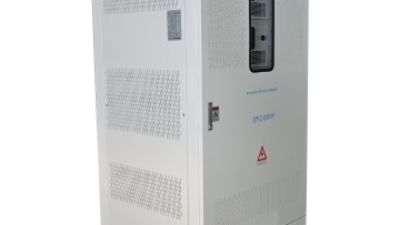
Innovative Solutions for Solar Power: The 15kW PV Inverter Controller Integration Unit from Chinese Manufacturers
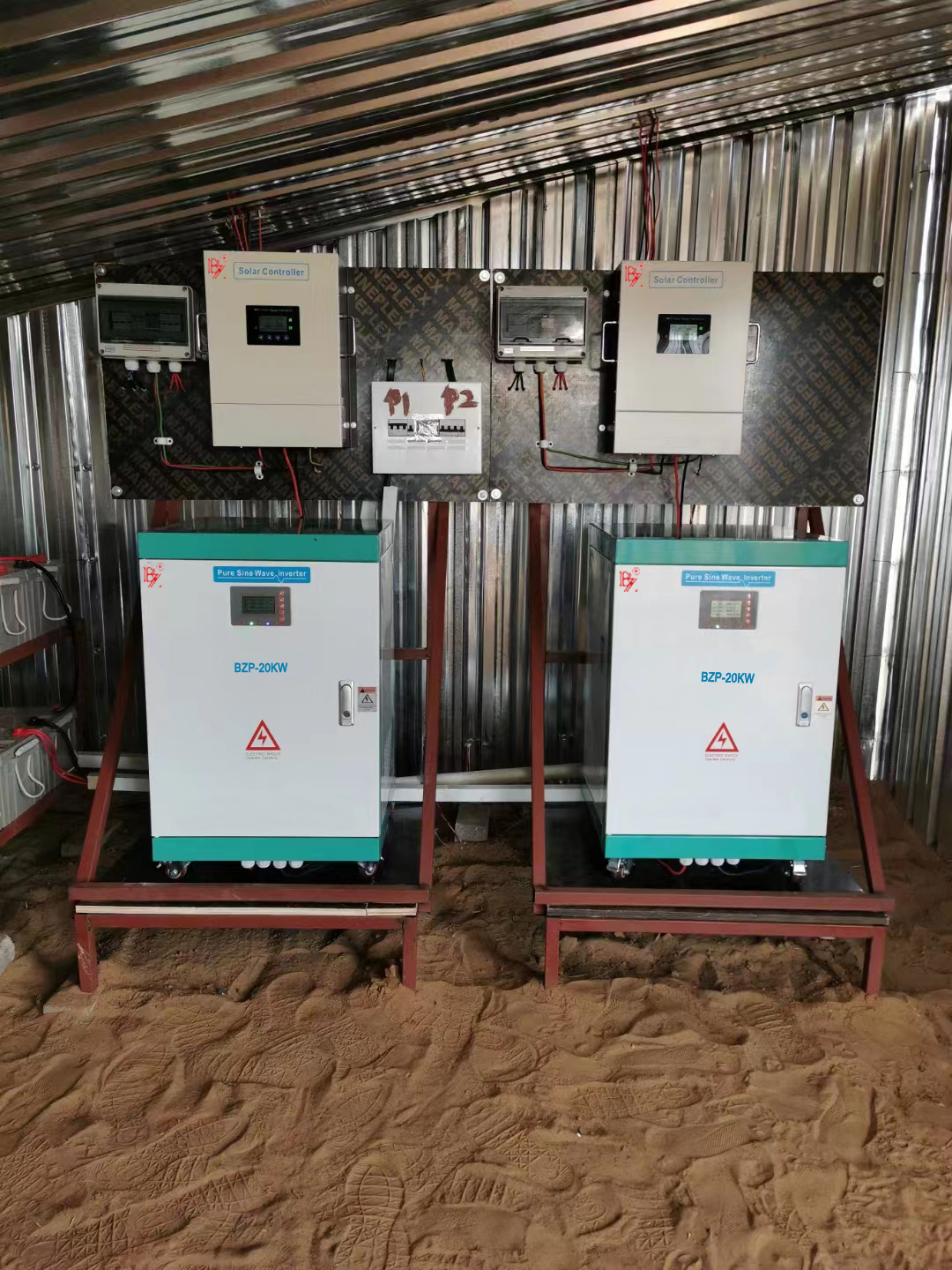
The integration of solar energy solutions has gained significant traction in recent years, driven by a global push towards sustainable energy. One of the forefront innovations within this arena is the 15kW PV inverter controller integration unit, specifically developed to cater to the increasing demands of solar power generation systems in China. This advanced device seamlessly merges a photovoltaic inverter with a smart controller, providing an efficient conversion of direct current produced by solar panels into stable alternating current. This technological advancement not only enhances the reliability of power generation but also optimizes the overall charging process, ensuring that energy is harnessed and utilized effectively.
Recent studies indicate that the global solar inverter market is projected to grow at a compound annual growth rate (CAGR) of 20.6% from 2021 to 2028, indicating a robust future for innovative solutions in this domain. The 15kW unit exemplifies this trend, offering capabilities suitable for residential, commercial, and industrial applications, meeting the diverse energy needs of various environments. Additionally, its design includes essential features such as real-time monitoring through the built-in controller, which is crucial for maximizing efficiency and minimizing disruptions. With optional energy storage capabilities and mains grid backup functions, this unit provides both versatility and resilience, catering to users operating in remote locations or facing emergency situations.
As energy needs continue to evolve, the demand for intelligent and reliable solar solutions becomes increasingly apparent. The 15kW PV inverter controller integration unit stands out as a key player, produced in state-of-the-art facilities to ensure quality and performance. This innovation not only supports the transition to renewable energy but also paves the way for a more sustainable future, underscoring the importance of collaborative efforts among manufacturers and suppliers in the solar industry.
FAQS
: It manages voltage and current from solar panels to charge batteries correctly.
They are PWM (Pulse Width Modulation) and MPPT (Maximum Power Point Tracking).
A controller that’s too small can fail and damage your batteries.
Choosing aesthetics over functionality, which can limit necessary ventilation.
They can be useful, but basic monitoring may be sufficient for some users.
Prices can range from $50 to $500, depending on type and features.
It can increase energy harvest by 20% to 30%, leading to long-term savings.
They may experience inadequate energy capture and poor system performance.
It can prolong battery life and enhance overall system efficiency.
Focus on maximizing value and performance rather than just saving money.
Conclusion
When selecting the right Solar Charge Controller for your solar power system, it's essential to understand the different types available, namely PWM (Pulse Width Modulation) and MPPT (Maximum Power Point Tracking) controllers. Each type has its advantages, making them suitable for different setups. Assessing your power needs is crucial, as it helps determine the appropriate controller size and capacity to ensure efficiency.
Additionally, compatibility with your existing solar system components is key to successful integration. Look for essential features such as monitoring capabilities, protection mechanisms, and overall efficiency to enhance the performance of your setup. Budgeting is also important, as it allows you to weigh the costs against the value offered by various controllers. Finally, proper installation and setup of your chosen Solar Charge Controller can significantly impact your renewable energy system's success.